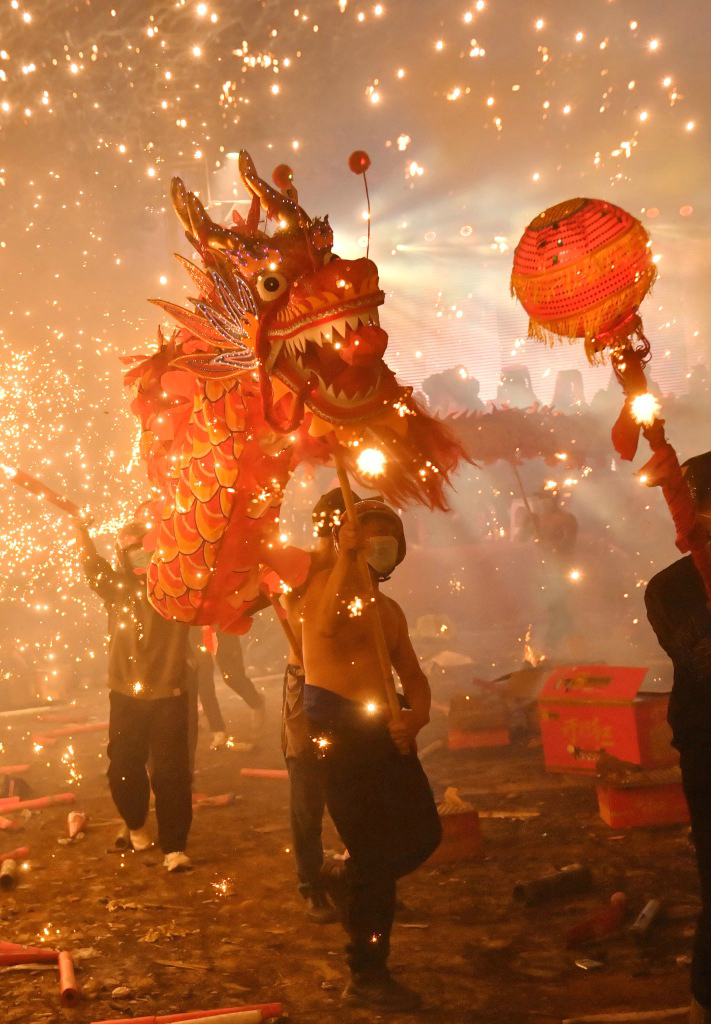
Loong Dance
Introduction
The Loong Dance, or Dragon Dance, is a traditional Chinese performance art with a rich history, often featured in festivals and celebrations. This vibrant and dynamic form of entertainment embodies the cultural essence of China, symbolizing power, dignity, fertility, wisdom, and auspiciousness. It is especially popular during the Chinese New Year, where it is believed to bring good luck and prosperity. The Dragon Dance is performed by a team of dancers who mimic the movements of a dragon, manipulating a long flexible figure of a dragon using poles positioned at regular intervals along the length of the dragon.
Historical Background
Over the centuries, the Dragon Dance evolved from sacred temple rituals to a folk custom that thanks for good fortune, becoming an integral part of various Chinese cultural festivities.
Regional Variations
The dance is broadly categorized into northern and southern schools, each with distinct characteristics:
Northern Dragon Dance: Known for its classical and powerful style, the northern variation emphasizes dramatic and vigorous movements.
Southern Dragon Dance: This version is noted for its ingenuity and beauty, often incorporating intricate designs and graceful choreography.
Notable Styles and Schools
Hai'an Dragon Dance: In 2003, Hai'an, located in Jiangsu province, was declared the "hometown of national folk art (dragon dance)" by the Ministry of Culture. The "lotus dragon dance" is a unique form from this region, characterized by dragon scales made from pink lotus petals and performances by female dancers.
Dongjing Dragon Dances: Originating in Changsha, Hunan province, these dances are recognized for their distinctive charm. Styles like "Bulong" and "Renlong" emphasize group coordination and symbolic gestures.
Tongliang Dragon Dance: This style from Chongqing municipality is renowned for its fire-dragon dance, where molten iron is used to create sparks that illuminate the dragon. It combines the traditional dance with a spectacular visual display.
Miao Fire-Wire Dragon Dance: Miao residents of Taijiang in Guizhou province call the custom "the game of the brave" because both the performers and the audience are required to show no fear when tossing the hot iron.
Construction and Performance
The design and construction of the dragon figure are crucial to the performance. Traditional dragons are made from materials like bamboo, cloth and paper. The dragon's head, an essential part, is often larger than the body segments and elaborately decorated. The dragon's body can be made of cloth or other materials, designed to ripple and wave as the dancers manipulate it.
Costume and Props
Dragon dancers typically wear colorful costumes that match the dragon's design. The dragon head and tail are crafted from materials like bamboo and painted with vibrant colors. In some regions, specific materials like rice straw or silk are used, reflecting local traditions and available resources.
Cultural Significance and Contemporary Practice
The Dragon Dance continues to be a vital cultural performance throughout China and in Chinese communities worldwide. It serves not only as entertainment but also as a cultural ambassador, showcasing the richness and diversity of Chinese traditions. Modern performances often blend traditional techniques with contemporary elements, ensuring the art form remains relevant in today's cultural landscape.
Dragon Dance troupes have performed globally, sharing this iconic aspect of Chinese heritage on international platforms. The art form has also been featured in significant events, such as the Olympic Games and World Expos, further cementing its status as a symbol of Chinese cultural identity.
Education and Preservation
Efforts to preserve the Dragon Dance include incorporating it into educational programs and offering specialized courses in schools. Training new generations of performers ensures the continuation of this traditional art form. Cultural centers and museums dedicated to intangible cultural heritage play a significant role in documenting and promoting the dragon dance.








